
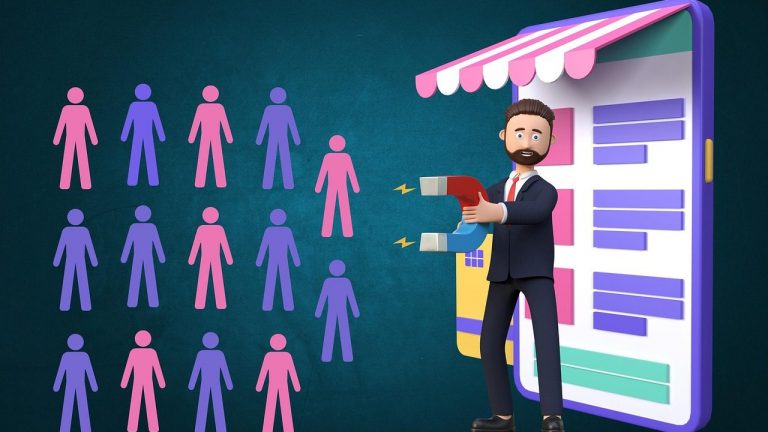
If I had to name the most common growth mistake in 2026, it’s this:
Businesses chase more leads when they haven’t fixed what happens after the lead arrives.
It feels logical:
“If we just get more people in, we’ll grow.”
But for many small businesses, “more leads” simply creates:
- more messages to reply to
- more quoting
- more follow-ups
- more delivery pressure
- more refunds and complaints
- and surprisingly… not much more profit
Because growth isn’t a traffic problem.
It’s usually a system problem.
Here’s the argument:
In 2026, sustainable business growth comes from three levers—conversion, retention, and margin—and “more leads” should be the last lever you pull.
Why this matters more in 2026 than it did before
Two realities have changed:
1) Buyer trust is harder to win
People compare faster. They’re cautious. They’ve seen scams and low-quality offers.
So many leads are “curious,” not committed.
2) Fulfillment is more expensive and more visible
If you sell more than you can deliver well, customers punish you quickly (reviews, refunds, reputational damage).
So the business that wins isn’t the one that creates the most demand.
It’s the one that can convert demand profitably and deliver consistently.
The three levers that actually drive growth and why they beat “more leads”
Lever 1: Conversion (turn more of your existing demand into sales)
Conversion is the difference between:
- “we get inquiries but people don’t buy”
and - “our offers feel easy to say yes to”
In 2026, most conversion problems aren’t solved by persuasion. They’re solved by clarity.
What improves conversion fastest:
- a clear offer (what you do, who it’s for, what it costs, what happens next)
- a 3-option package ladder (so people can choose instead of negotiate)
- faster response time
- a simple follow-up sequence (because many buyers don’t decide immediately)
Opinion: If your conversion is weak, more leads will just give you more rejection.
Lever 2: Retention (get a second purchase instead of re-finding customers)
Retention is the cleanest form of growth because:
- you already paid the “trust cost”
- customers already know how you work
- delivery becomes easier with repeat buyers
In 2026, the businesses that grow calmly are those that make the second sale automatic:
- reorder reminders
- maintenance plans
- bundles
- a “next step” recommendation
Opinion: A business that can’t retain will always feel like it’s starting over.
Lever 3: Margin (make sure growth actually pays you)
A lot of businesses are busy but not profitable because margin leaks quietly:
- discounts become routine
- delivery costs creep up
- rework increases
- custom requests grow
- tool subscriptions multiply
If your margin is thin, growth makes you tired, not rich.
Opinion: If your margin isn’t protected, growth is just labor disguised as success.
The “Growth Truth” nobody wants to hear
If you can’t handle your current customers smoothly, you’re not ready for more.
More demand will not make you feel successful.
It will make your weaknesses louder.
So mature growth isn’t “more.”
It’s better:
- better conversion
- better retention
- better margin
- better delivery consistency
Then more leads become fuel and not fire.
A simple way to know what to fix first (quick self-check)
If you want this to be useful and not just opinion, here’s a fast diagnostic:
If you get leads but sales are low → fix conversion
- clarity, packages, follow-up
If you get customers but they don’t return → fix retention
- reorder/maintenance, next-step offers
If you’re busy but profit is down → fix margin
- reduce discounts, reduce rework, simplify delivery costs
Only after one of those improves should you spend time and money chasing more leads.
In Closing
In 2026, the businesses that win aren’t the loudest.
They’re the ones that:
turn the demand they already have into repeatable, profitable growth without chaos.